 English (UK)
  Cymraeg
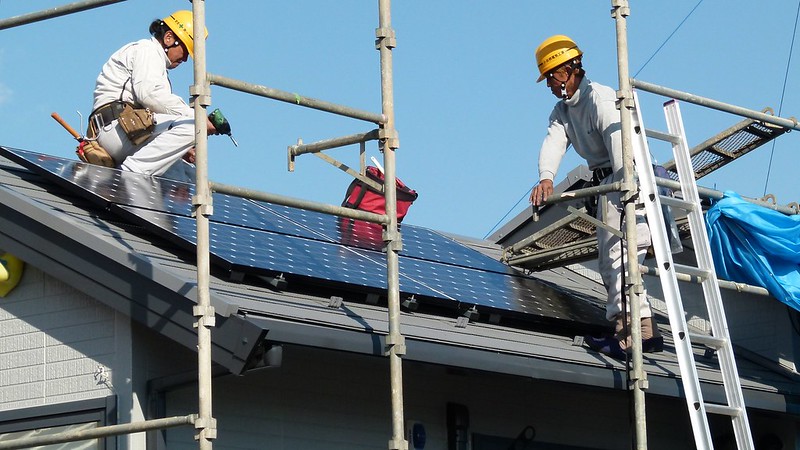
The benefits of retrofit are implicit in the definition of the term in our last article (“the adaptation of existing housing in order to improve its energy efficiency”). Making our homes more energy efficient will, in theory, make them cheaper to heat (or cool) thereby bringing our energy bills down. Reducing our energy consumption is also better for the environment therefore helping the UK to meet its Net Zero climate goals. We could also point to the use of “existing housing”—as opposed to the creation of new housing with the environmental and financial cost involved in that—as a benefit. According to BCIS, retrofitting “typically costs 40-60% less than demolition and rebuild” and saves around 60% of costs compared to new builds. “Typical” does not cover every case, of course, and sometimes, when retrofit is simply not viable due to the nature of the building or where energy performance would remain poor even after investment, demolition and rebuild may be the way to go. We can imagine how this also might be the case where a building is simply not fit for the evolving purposes for which it is used and needs to be re-thought. In non-typical cases, the Whole Life Carbon Assessment (more on this below) offers a means by which to assess the right way forward.
A retrofit-first approach is becoming popular among a number of local authorities. This means encouraging developers to think about retrofit before thinking about rebuild or new build. There are, however, a number of challenges to this approach. Some of these are experienced at the level of the homeowner while others are at an industry/policy level.
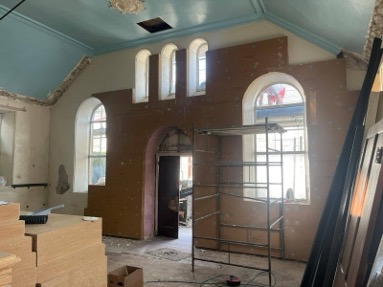
For the homeowner, retrofit means significant disruption in their homes. A homeowner may have to leave the property during work but even if they can stay they will be disturbed by logistical challenges and the possibility that the work will cost more and take longer than expected. Horror stories of retrofit gone wrong are also in circulation, making people more likely to avoid this kind of refurbishment and spend money on a different kind of change, such as an extension. Owners of listed buildings and houses in conservation areas are looking at more costly (and yet more limited) interventions.
At an industry level there is currently a skills shortage when it comes to the suite of knowledge and expertise needed to carry out effective and thorough retrofits (hence the horror stories). Although PAS 2035 (more on this in next article) seeks to set out a retrofit process that minimises the risk of bad (or simply untrained) actors, it relies on a body of skilled retrofit experts who, in many areas, do not yet exist. Like owners, architects and builders have to contend with planning regulations that work against retrofitting. And again, while PAS 2035 seeks to help create a more uniform approach to retrofit that can ensure coordination among different suppliers and contractors, this is not how things have been up to now. Retrofit work tends to get carried out in bits and pieces (that do not always coordinate well) as designing coherent, integrated projects—and managing them—is too challenging.
A note on Whole Life Carbon Assessment (WLCA)
“Whole life carbon emissions are the sum total of all asset- related GHG [Greenhouse Gas] emissions and removals, both operational and embodied, over the life cycle of an asset, including its disposal.” A whole life carbon assessment is “the calculation and reporting of the quantity of carbon impacts expected throughout all life cycles of a project.” Undertaking a WLC assessment is a requirement for development proposals in London and it is likely to become a feature of planning among other local authorities who are already taking a “retrofit-first” approach. This assessment likely offers the best way to determine whether demolition and rebuild or retrofit should be the chosen approach in any particular project because it looks beyond purely operational carbon to the embodied emissions which “along with those from maintenance and replacement, can constitute up to two/thirds of the total whole life carbon emissions”